Housing
What a tenant builds into a home usually stays with the home
Alterations and improvements raise a question of ownership rather than of taste, and the answer generally depends on how firmly the thing is attached and why it was put there.
By Omkar Joshi4 min read
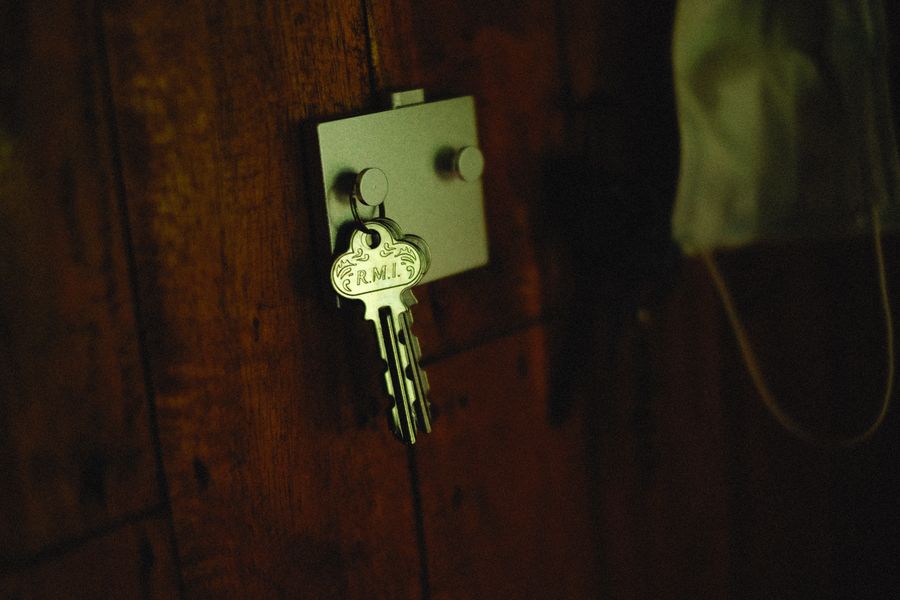
Improving a property somebody else owns
Tenants improve rented homes constantly, from shelving and a better shower to a fitted kitchen in a long letting. The instinct is that whoever paid for something owns it. Property law generally disagrees, because once an item is attached to land or a building it can stop being a separate item at all and become part of the property, which belongs to the owner.
The distinction usually turns on two things: how firmly the item is fixed, and what the purpose of fixing it appears to have been. Something resting under its own weight is likely to remain a separate chattel; something screwed, plumbed, wired or built in is more likely to have become part of the building. A painting hung on a hook is not a fixture. The kitchen units around it probably are.
Consent clauses do most of the work in practice
Almost every letting agreement restricts alterations, and the restriction is the practical governor of what happens. Clauses come in several strengths: an absolute prohibition, a requirement for written consent, and a requirement for consent which may not be unreasonably refused. The third is much more favourable to a tenant than the first, and tenants rarely notice which they have.
Where consent is required, obtaining it in writing and keeping it is what turns a later argument into a short conversation. Good consents record what is permitted, whether reinstatement will be required at the end, who is responsible for maintaining the alteration in the meantime, and whether anything will be paid for it. A verbal agreement with a managing agent who has since moved on is worth very little.
Reinstatement is the sting at the end
A landlord who consented to an alteration may nonetheless be entitled to require the property to be returned to its previous state at the end of the letting. That obligation can be more expensive than the improvement was, particularly where structural changes or removed original features are involved, and it is regularly overlooked when consent is being negotiated.
Where no reinstatement was agreed, the position depends on the terms and on the local law about the condition in which a property must be returned. An alteration that has genuinely improved the property may still have to come out if the agreement says so, because the test is usually compliance with the obligation rather than whether the landlord benefited. That is a hard result and it is the common one.
Some things a tenant fixed can still be removed
Legal systems have long recognised that a strict rule would discourage tenants from equipping premises at all, particularly in business lettings. Several therefore allow certain categories of item installed by a tenant to be removed before the end of the term, on condition that any damage caused by removal is made good. The categories are usually narrower than tenants hope, and their scope differs sharply between jurisdictions.
The timing condition matters as much as the category. In many places the right to remove is lost once the tenancy has ended and possession has been given up, at which point the item has become the landlord’s. Removing something after the keys have gone back is not a self-help remedy; it is more likely to be treated as damage to the property.
Adaptations, accessibility and the exceptions
Not all alterations are discretionary. Where a change is needed because of a disability, many jurisdictions restrict a landlord’s ability to refuse consent, and some create an obligation to permit reasonable adaptations. The protection may be attached to housing law, to equality law, or to both, and it commonly comes with conditions about who pays and whether reinstatement can be required.
Safety-related work sits in a related category. Alterations affecting gas, electricity, drainage or structure are usually regulated regardless of what the letting says, and carrying such work out without the required approvals creates problems that outlive the tenancy. A tenant who installs something that later fails an inspection can find the cost of putting it right landing on them long afterwards.
Where this varies, and what to do before starting
What counts as a fixture, which items may be removed by a tenant, what reinstatement can be required, how consent clauses are controlled and what adaptation rights exist are all matters of local law that differ substantially between countries and between residential and commercial lettings. Nothing here is advice about a particular property or agreement.
The sequence that avoids most of these disputes is unglamorous. Read the clause, ask in writing, get the answer in writing, record the condition before and after, and settle the reinstatement question at the start rather than at the end. If a dispute has already arisen — over a deposit deduction, a reinstatement demand or an item removed — take it to a qualified lawyer or a housing advice service without delay, since claims and scheme processes both run on time limits that continue while the parties are still corresponding.
Common questions
I paid for a new kitchen in a rented flat. Is it mine?
Can a landlord refuse any alteration at all?
Can I take my shelving with me when I leave?
Editor, What's Your Case
Omkar has been reporting on consumer, housing, work since long before it was fashionable and is unreasonably interested in the detail nobody else checks.